

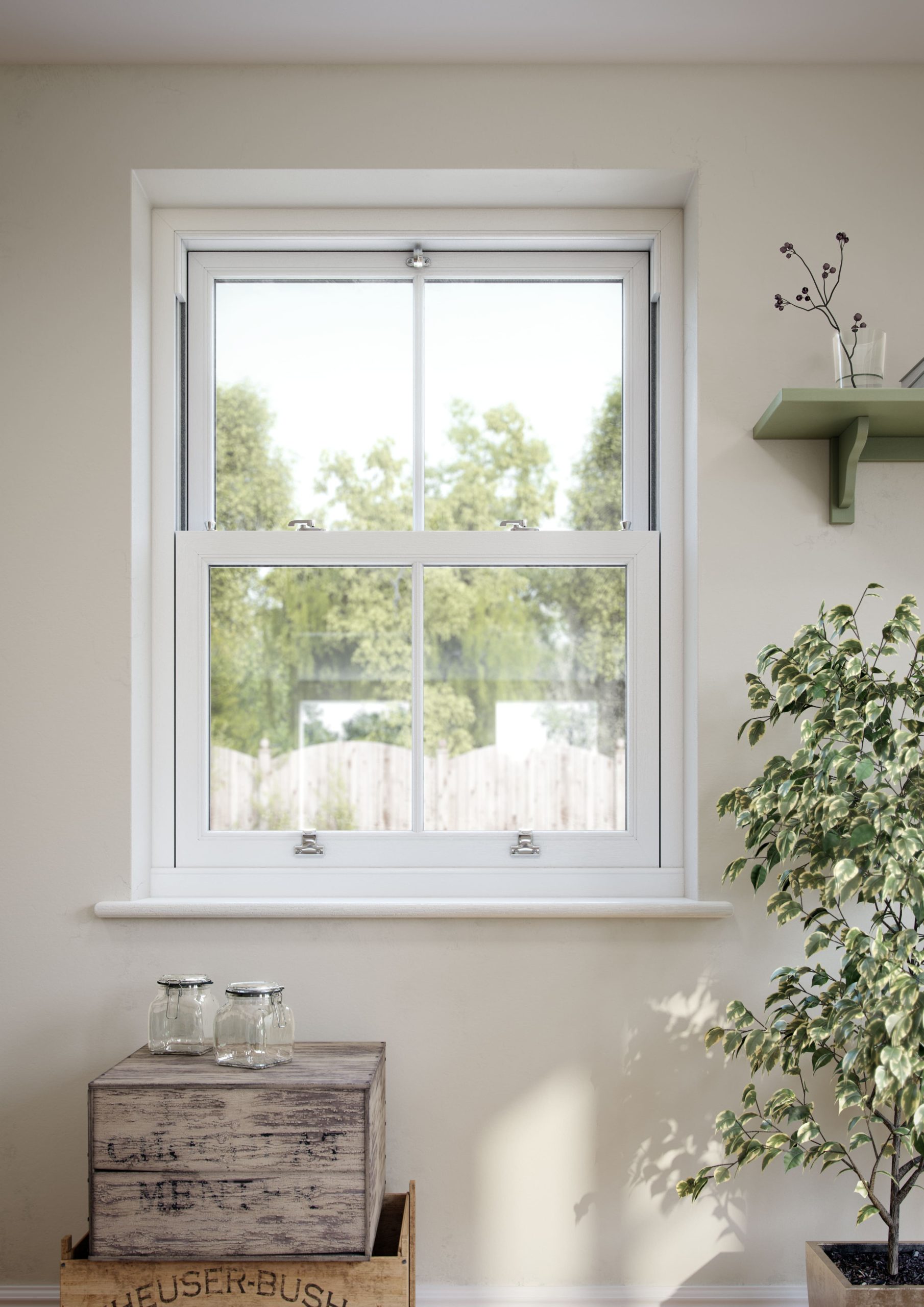
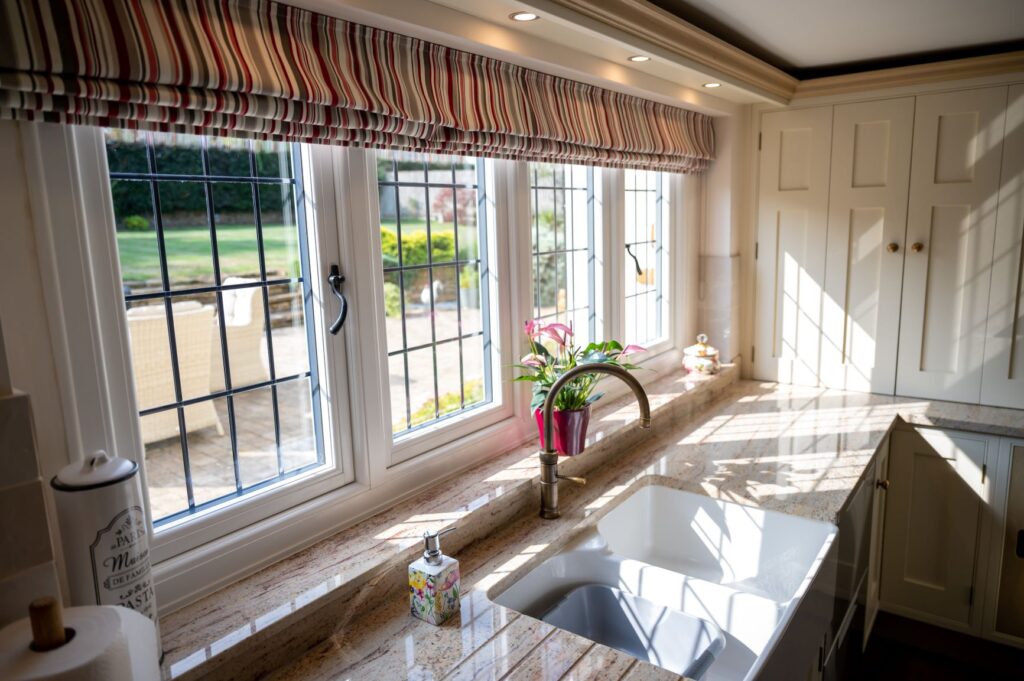
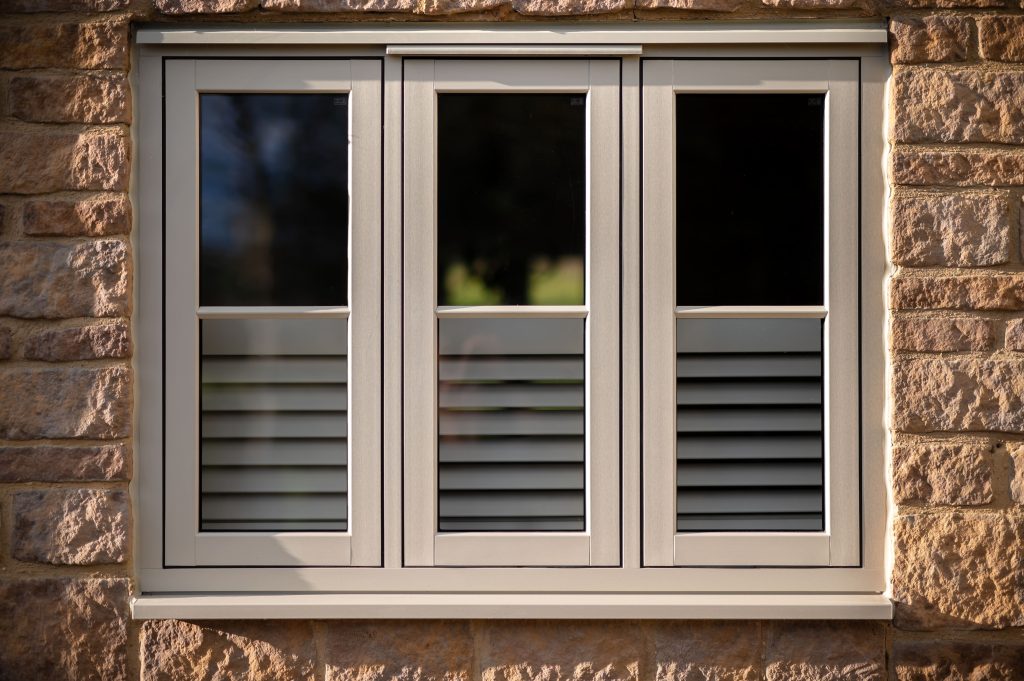
If you’re exploring window replacement options for your home, you’ve probably come across the term flush casement windows. These elegant window styles have surged in popularity across the West Midlands and throughout the UK, appealing to homeowners who want to combine traditional charm with modern performance. But what exactly are flush casement windows, and why might they be the perfect choice for your property?
What Are Flush Casement Windows?
Flush casement windows, sometimes called flush sash windows are a type of window where the opening sash sits flush against the outer frame when closed, creating a smooth, seamless appearance with no visible step or protrusion. This distinctive design characteristic sets them apart from traditional casement windows and gives them their name.
The flush fit design closely mimics the aesthetics of authentic timber windows found in heritage properties built before the 1930s. When properly manufactured, the sash sits perfectly level with the frame, creating clean, elegant lines that are particularly suited to period architecture.
Key Design Features
The defining features of flush casement windows include:
- Flush sash design: The opening window panel sits completely flush with the outer frame
- Authentic appearance: Replicates the look of traditional timber windows
- Clean sightlines: Minimal visual interruption when viewing from inside or outside
- Heritage detailing: Often includes decorative features like astragal bars and decorative hardware
- Chamfered or sculpted profiles: Period-appropriate detailing on the frame and sash
Modern flush casement windows are typically manufactured from uPVC or aluminium, though timber versions remain available for conservation projects. The beauty of contemporary flush casement designs is that they deliver the authentic appearance of historic windows while incorporating all the benefits of modern double glazing technology.
The History Behind the Style

Flush casement windows have their roots in traditional joinery methods used in British homes for centuries. Original timber casement windows featured a flush design because of the way carpenters constructed the frames; the opening casement sat within a rebate in the outer frame, creating that characteristic flush finish.
When uPVC windows first emerged in the 1970s and 1980s, manufacturers prioritised functionality over aesthetics, producing windows with stepped frames that were noticeably different from traditional timber designs. These early uPVC windows, while offering excellent weather performance and low maintenance, didn’t suit period properties.
The development of flush casement uPVC windows represented a significant advancement in window manufacturing, allowing homeowners to enjoy modern performance without compromising on architectural authenticity. Today’s flush casement designs use sophisticated engineering to replicate period detailing while delivering superior thermal efficiency, security, and durability.
How Flush Casement Windows Differ from Standard Casement Windows
Understanding the differences between flush casement windows and their standard counterparts will help you identify which style best suits your home’s architecture and your personal preferences.
Visual Appearance
The most obvious distinction lies in the profile:
Standard casement windows feature a stepped design where the opening sash sits proud of the outer frame, creating a visible difference in depth. When you look at the window from the side, you’ll notice the sash projects outward from the frame.
Flush casement windows eliminate this step entirely. The sash sits level with the frame, creating a smooth, continuous surface. This subtle design difference has a significant impact on the overall aesthetic, particularly on traditional and period properties.
From a distance, flush casements offer a more authentic, refined appearance that closely resembles original timber windows. The clean lines and minimal visual interruption make them ideal for conservation areas, listed buildings, and homes where maintaining architectural character is paramount.
Construction and Operation
Both window types operate similarly—they open outward on side-hung hinges, allowing for excellent ventilation and easy cleaning from inside the property. However, the construction methods differ:
Standard casement windows use a simpler frame design where the sash sits in front of the outer frame. This allows rainwater to drain away naturally due to the stepped profile.
Flush casement windows require more sophisticated engineering. The sash must sit perfectly flush while still maintaining weather seals and drainage channels. This typically involves:
- Internal rebates and drainage pathways built into the frame
- Precision-engineered gaskets and weather seals
- Concealed hinges or period-style hardware
- Tighter manufacturing tolerances to ensure the flush fit
This enhanced engineering is one reason why flush casement windows often command a slightly higher price point than standard casement designs but the investment delivers superior aesthetics and authentic period styling.
Hardware and Finishing Touches
The hardware on flush casement windows is typically designed to complement the traditional aesthetic. You’ll often find:
- Traditional handles: Monkey tail, pear drop, or cottage-style handles
- Decorative hinges: Period-appropriate flag hinges or concealed modern alternatives
- Authentic colours: Heritage paint finishes like Chartwell Green, Anthracite Grey, or classic White
- Glazing bars: Astragal bars or Georgian bars to replicate multi-pane windows
Standard casement windows usually feature contemporary hardware—sleek espagnolette handles and modern hinge systems that prioritise function over period detailing.
Benefits of Flush Casement Windows
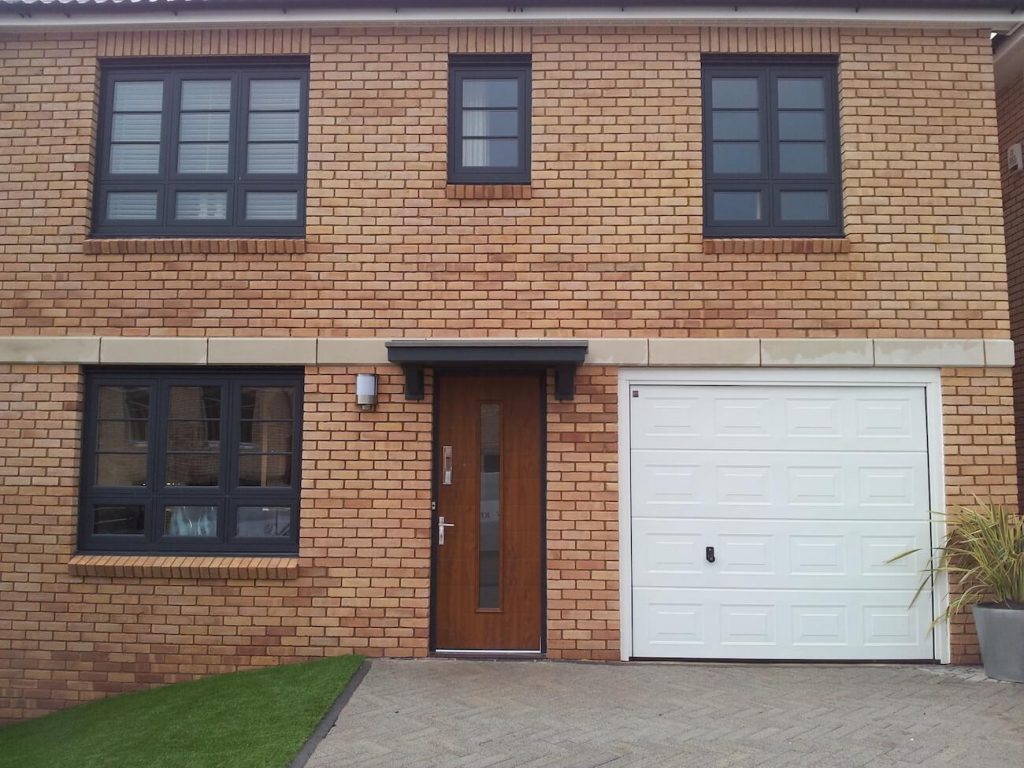
The primary benefit of flush casement windows is their ability to replicate the appearance of traditional timber windows. If you’re passionate about preserving your property’s character, flush casements deliver unmatched authenticity.
For period properties—whether Victorian terraces, Edwardian semis, or country cottages—flush casement windows maintain architectural integrity while providing modern performance. This is particularly important in conservation areas where planning authorities scrutinise window replacements carefully.
Enhanced Kerb Appeal
First impressions matter, and your windows play an important role in your property’s kerb appeal. Flush casement windows offer clean, elegant lines that enhance the visual appearance of any home.
The smooth, seamless profile creates a refined look that’s particularly striking on symmetrical Georgian-style facades or traditional cottages. Whether you opt for classic white uPVC, sophisticated Anthracite Grey aluminium, or heritage colours like Chartwell Green, flush casement windows will enhance your property’s exterior appearance.
If you’d like to find out more about flush casement windows, contact Windows & Doors 2 You today. You can call us on 01952 474 898 or contact us online.